

- Material
-
- Aluminium 61
- Brass 8
- Stainless Steel 8
- Galvanised Steel 1
- Mild Steel 1
A Guide to Aluminium Sheet Thicknesses: What to Order for Your Project
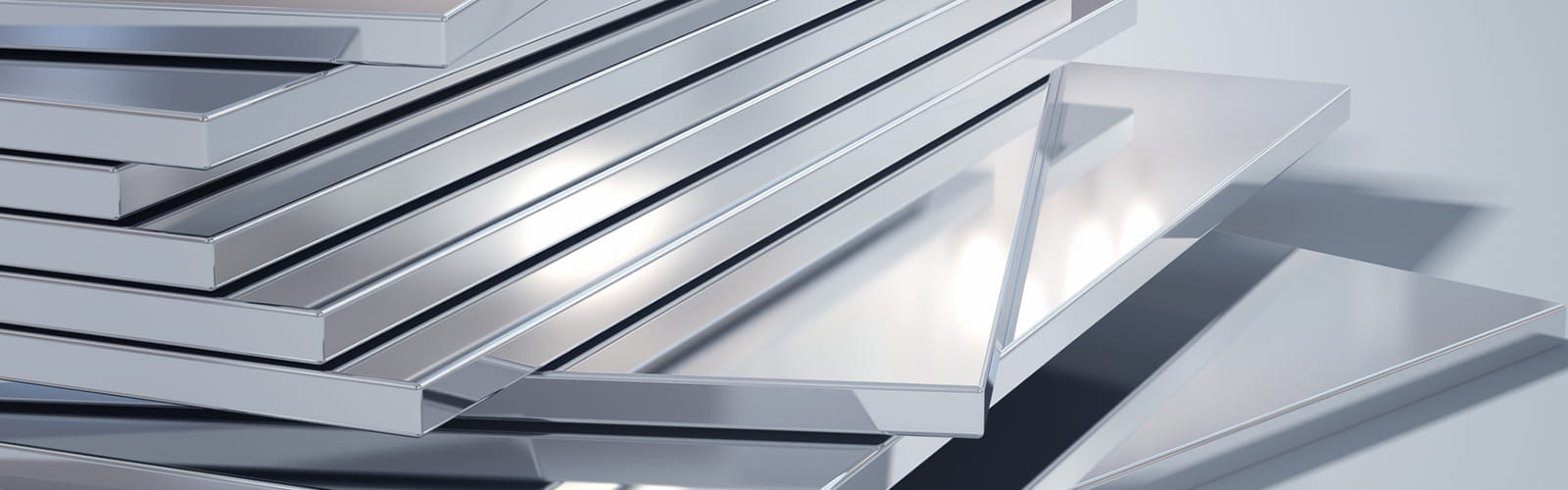
Ordering aluminium sheet is straightforward until you reach the thickness field, and then the doubts creep in. Too thin and the panel flexes or dents where it shouldn't. Too thick and you have paid for strength you never needed, while making the job harder to cut, bend or fit.
This aluminium sheet thickness guide walks through the full range Click Metal stocks, matched to the kind of projects each thickness actually suits, so you can order with confidence rather than guesswork.
Why Aluminium Sheet Thickness Matters
Thickness is not a minor detail on a cutting form. It determines how the finished piece behaves once it is fitted, loaded or exposed to daily wear, and getting it wrong tends to show up later rather than immediately. This aluminium sheet thickness guide exists because the right choice depends on more than one factor, and they are worth weighing before you order:
- Strength and Rigidity: Thicker sheet resists bending and impact, which matters for anything load-bearing or frequently knocked
- Weight: Thinner sheet is easier to handle, mount and transport, useful where the fixing method has limits
- Cost: Aluminium gauge and price scale together, so specifying more than the job needs adds expense without benefit
- Finish and Appearance: Thinner sheet can show waviness or oil-canning on large flat areas, where a slightly thicker option sits flatter
Understanding Aluminium Gauge and Sheet Metal Thickness
Aluminium gauge is simply another way of describing sheet metal thickness, and the two terms are often used interchangeably in the trade. Where gauge numbers were once common in the industry, most UK suppliers, including Click Metal, now specify aluminium sheet thickness directly in millimetres, which removes the ambiguity that gauge charts can introduce between different metals and standards.
Working in millimetres also makes it easier to compare directly against a drawing, a template or an existing panel you are replacing. If you are ever unsure how a supplier's gauge reference converts to a millimetre figure, it is worth asking before you order, since assuming the wrong conversion is a common and avoidable mistake. Once you are working in real measurements, choosing between the options becomes a question of application rather than arithmetic.
1.5mm and 2mm Aluminium: Ideal for Splashbacks and Light Applications
At the thinner end of the range, 1.5mm aluminium and 2mm aluminium cover most light domestic applications, and splashback thickness is where this comes up most often. A kitchen splashback does not carry structural load, so the priority is a flat, clean finish rather than rigidity, and both thicknesses deliver that when properly supported against a wall.
The same range suits decorative trim, light cladding panels, signage and internal fittings where the aluminium is fixed to a solid backing rather than standing unsupported. If the panel will span a gap without support behind it, particularly at larger sizes, stepping up in thickness helps avoid visible flex or oil-canning. For anything fixed flat to a surface, this aluminium sheet thickness guide would point you towards 1.5mm or 2mm as the sensible starting point.
3mm Aluminium Sheet: Stepping Up for Heavier-Duty Use
Once a project needs to stand up to more than light handling, 3mm aluminium sheet becomes the natural next step. It holds its shape better across larger unsupported spans, resists dents and knocks more effectively, and suits applications where the aluminium sheet thickness needs to do real work rather than simply provide a surface.
Typical uses include workshop panelling, vehicle and trailer fittings, enclosures, and DIY furniture or fabrication projects where some rigidity is expected without moving into genuinely structural territory. It is also a common choice where the piece will be handled or removed repeatedly, since 3mm sheet tolerates that kind of use far better than anything thinner. If your project sits between decorative and load bearing, this is usually where it lands.
Structural Aluminium Panel Thickness for Load-Bearing Projects
At the top of the range, structural aluminium panel applications call for thickness chosen specifically to bear weight or resist significant mechanical stress. This is not a tier to guess at. Aluminium gauge at this level should be specified with the actual load, span and fixing method in mind, since underspecifying here has real consequences rather than cosmetic ones.
Common applications include load-bearing brackets, framework components, flooring elements and any fabrication where the aluminium is doing structural work alongside or instead of steel. If you are working from an engineering drawing, the thickness will usually already be specified. If you are scoping the project yourself and the aluminium needs to carry weight, it is worth getting advice before ordering rather than assuming a thicker sheet will simply cover any uncertainty.
Matching Thickness to Your Project: A Quick Reference
Bringing the full range together, here is how it maps against common projects, drawn from this aluminium sheet thickness guide's coverage above.
- 1.5mm Aluminium: Splashback thickness for kitchens, light trim, decorative panels fixed to a solid backing
- 2mm Aluminium: Slightly more robust splashbacks and cladding, signage, internal fittings
- 3mm Aluminium Sheet: Workshop panelling, enclosures, vehicle fittings, sheet metal thickness for semi-structural DIY builds
- 4mm and Above (structural aluminium panel range): Load-bearing brackets, framework components, engineered fabrication
If your project falls between two categories, it is usually safer to size up slightly rather than down, particularly where the panel will be unsupported or handled often.
Get Your Cut Specified Right, First Time
At Click Metal, every aluminium sheet is cut to your exact dimensions before dispatch, with orders processed and sent out within 48 hours and no minimum order charge. Whether you have settled on a thickness from this guide or you are still weighing up the options, our team can talk through your requirements before you order. Call us on 01794 526090 or get in touch through our contact form and order your aluminium sheet online once you are ready.
Recent Posts


