

- Material
-
- Aluminium 61
- Brass 8
- Stainless Steel 8
- Galvanised Steel 1
- Mild Steel 1
How to Choose the Right Size of Aluminium U Channel
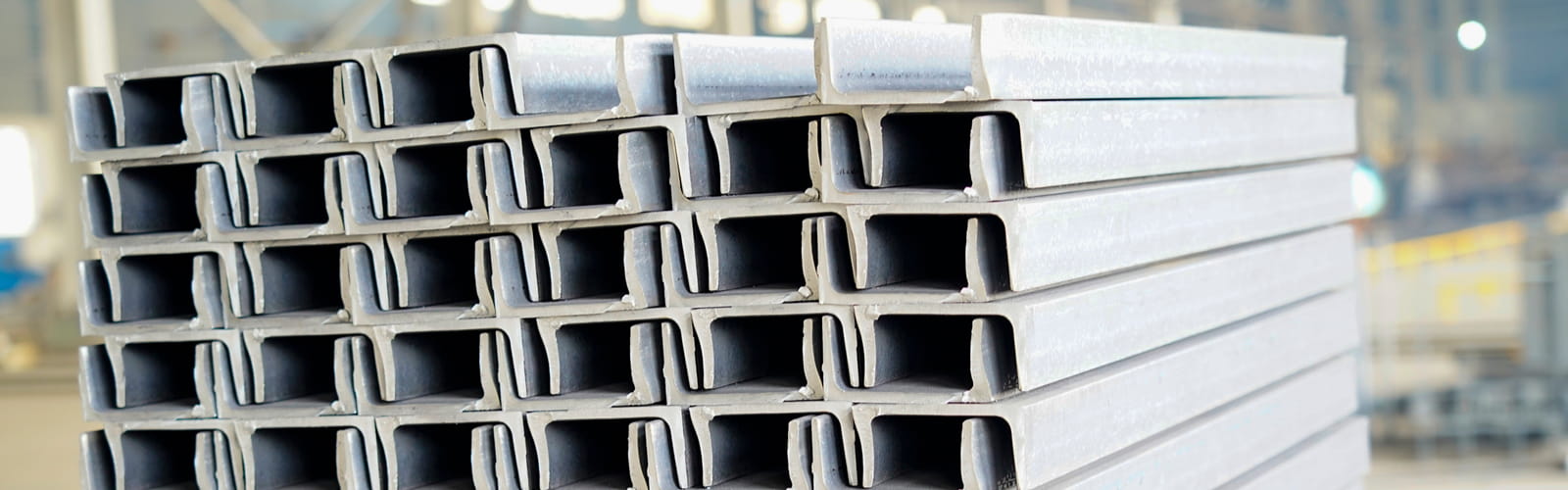
Order the wrong U channel size and you will know about it fast: a panel that rattles in its groove, a frame edge that will not sit flush, or a return trip to swap stock you have already cut into. It is one of the most common sticking points in framing and glazing projects, and it usually comes down to the same mistake: treating U channel as a single measurement rather than a combination of three.
Aluminium U channel looks like a simple product on the surface, but getting the fit right depends on those measurements working together correctly. And once you understand what each one controls, choosing between them becomes far more straightforward.
What Does "U Channel Size" Actually Mean?
U channel size is not a single figure. It is a combination of three measurements that together determine what the channel will hold and how it will perform:
- Channel Width: The internal gap between the two upright legs, which needs to match the thickness of whatever is being inserted, whether that is a panel, a sheet edge, or a piece of glass
- Channel Depth: How far the material sits down inside the channel, which affects both how securely it is held and how much of the edge remains visible
- Wall Thickness: The thickness of the aluminium itself, which determines how much load or flex the channel can withstand
Get any one of these wrong and the fit suffers, even if the other two are correct. That is why U channel size needs to be worked out as a set, not measurement by measurement.
Standard Profiles vs Custom-Cut Dimensions
Aluminium extrusion is typically produced in a defined range of standard profile sizes, and for many projects one of these will suit perfectly well. Standard profiles are cost-effective, readily available, and cover the majority of common panel and glazing thicknesses without any adjustment needed.
Where a project falls outside those common dimensions, cut-to-size ordering is the more reliable route. Rather than working around the nearest available profile, you specify your own metric sizes, and the channel is cut to match. This matters most when the material you are edging or framing does not sit at a standard thickness, or when a project has particular tolerance requirements that a general-purpose profile cannot guarantee.
Matching U Channel Size to Framing Projects
Framing is one of the most common applications for U channel, and it is also where getting the U channel size wrong is most noticeable, since the channel is often visible along the finished edge.
For framing work, start with the thickness of the panel or board being framed and choose a channel width that holds it snugly without forcing it. A gap that is too generous allows movement and rattling; one that is too tight can crack a rigid panel during installation.
Channel width should also be checked against the frame's corner joints, since some framing designs need enough tolerance for mitred corners to close cleanly. Once width is settled, depth becomes a question of how much of the panel edge you want concealed, with deeper channels giving a cleaner, more finished appearance around the panel edge.
Choosing U Channel for Glazing and Panel Edging
Glazing brings its own set of considerations, largely because glass has far less flex than most panel materials and cannot be forced into an undersized channel.
For glazing, a dedicated glass channel profile is usually the better starting point, since these are designed with the clearances glass installation requires. Channel width needs to allow for the glass thickness plus any glazing tape or packer, and the panel edge should sit centred within the channel rather than pressed to one side, which helps distribute pressure evenly and reduces the risk of cracking.
Anodised finishes are a common choice for glazing and panel edging work, since the anodised layer adds a hard-wearing surface that resists marking during installation and handling. Getting the U channel size right here is less about appearance and more about protecting the material it is holding.
Wall Thickness and Why It Matters for Strength
Wall thickness is easy to overlook when comparing channel widths and depths, but it is what determines how much the channel can actually withstand once installed.
A thin-walled channel is lighter and easier to work with, and it suits lower-load applications such as trim, edging, or decorative framing where the channel is not bearing weight. Where the channel needs to support a heavier panel, resist regular handling, or hold its shape under pressure, a greater wall thickness is worth specifying, even if it adds a little weight to the finished piece. Most standard aluminium extrusion for this kind of application uses 6063 alloy, valued for its balance of strength, workability, and corrosion resistance.
Channel depth plays a supporting role here too, since a deeper channel generally distributes load more evenly along the length of the panel edge than a shallow one.
What Size U Channel Do I Need? A Simple Way to Decide
With the individual measurements covered, choosing U channel size comes down to a straightforward process rather than guesswork:
- Measure What is Going Inside the Channel: Take the exact thickness of the panel, board, or glass, since this sets your minimum channel width
- Add Clearance Where Needed: Allow a small margin for tape, packers, or thermal movement, particularly for glazing
- Decide How Much Edge Should Be Concealed: This determines your channel depth
- Check the Load The Channel Will Carry: Heavier or higher-traffic applications call for a greater wall thickness
- Compare Against Standard Profile Ranges: If your requirements fall within a standard profile, use it; if not, order to metric sizes instead
Working through these steps in order answers the question, ‘what size U channel do I need?’, for most framing, glazing, and edging projects without needing to guess or over-specify.
Get Your Aluminium Channel Cut to the Exact Size You Need
At Click Metal, we supply aluminium U channel cut to your exact dimensions, so you get the width, depth, and wall thickness your project calls for rather than settling for the nearest standard size. Every order is processed on-site and despatched within 48 hours, with no minimum order charge, whether you need a single length for a home renovation or a full run for a fabrication job.
Order online with your measurements to hand, or if you are unsure which profile or alloy suits your application, call us on 01794 526090 or use the contact form on our website. Our team can help you specify the right channel before you order.
Recent Posts


