

- Material
-
- Aluminium 61
- Brass 8
- Stainless Steel 8
- Galvanised Steel 1
- Mild Steel 1
What Is the Difference Between Aluminium Trim and Moulding
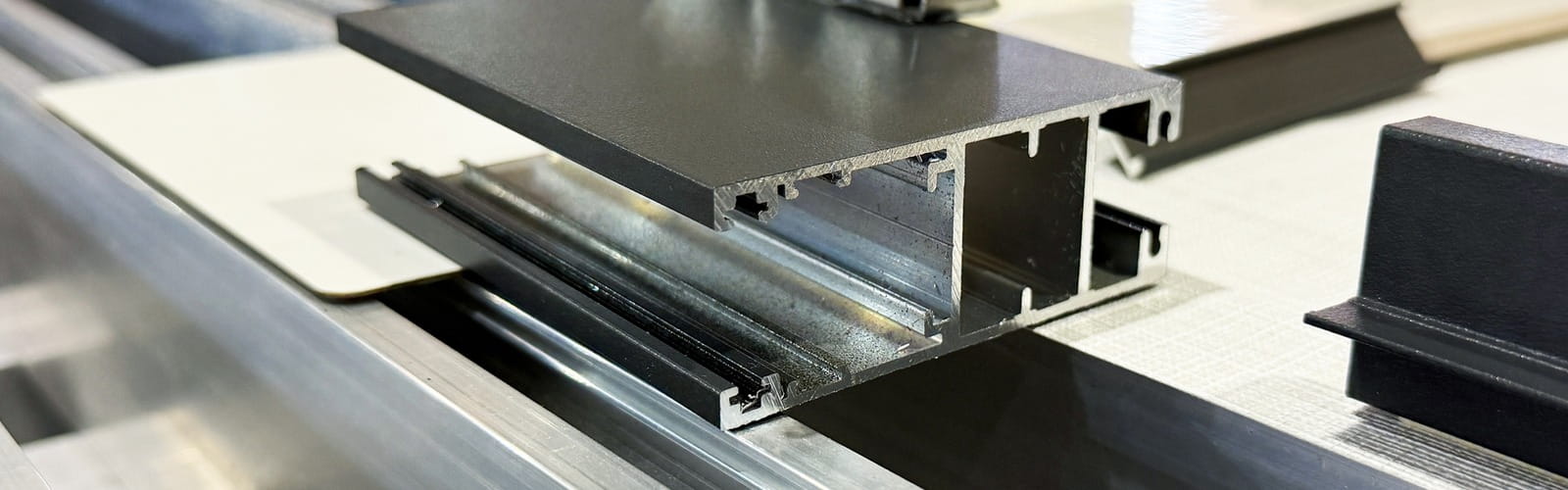
Trim and moulding get used almost interchangeably by suppliers, installers and shoppers alike, which is exactly why so many people order the wrong piece for a kitchen splashback or a hallway skirting board. The truth is both terms cover a wide family of aluminium profiles, and while there is genuine overlap between them, understanding what separates a trim from a moulding will save you time, money and a second delivery.
This guide works through what each term means, where the two categories meet in the middle, and how to choose the right profile for your project, starting with the basics.
What Do We Mean by Aluminium Trim and Moulding?
Aluminium trim generally refers to a functional strip used to finish, protect or conceal an edge, such as where a floor meets a wall or where two different surfaces sit side by side. Aluminium moulding tends to describe a shaped profile designed with a more specific decorative or structural role in mind, often with a more defined cross-section than a simple flat strip.
So, is moulding the same as trim? Not quite, although the line between them is blurry. Every moulding does the same basic job as a trim, finishing an edge cleanly, but not every trim is shaped enough to be described as a moulding. In everyday use, aluminium mouldings vs trims is more a question of shape and finish than a strict rule, so it is worth looking at what a profile does in your project rather than relying on the name alone.
Where Trim and Moulding Actually Overlap
Because the terms overlap so much, most confusion comes down to how a single product gets described differently depending on who is selling it. An edge profile used to finish a stair nosing, for example, might be listed as a trim on one page and a moulding on another, even though it does exactly the same job.
A cover strip is a good example too, since it can hide a gap or joint like a trim while still having the shaped, considered look of a moulding. Rather than getting caught up in aluminium mouldings vs trims as separate families, think of moulding as one style within the broader trim category. Once you accept that overlap, choosing the right profile becomes less about the label and more about where it needs to go, which is exactly what the next two sections cover.
Common Types of Aluminium Trim
With the overlap explained, it helps to look at some of the specific products that sit more firmly on the trim side of things: flatter, functional profiles chosen for the job they do rather than any decorative shaping, fitting neatly with the aluminium mouldings vs trims distinction covered above.
Common types include:
- Skirting: A straight strip run along the base of a wall to protect plaster or tiling from knocks and finish the join with the floor.
- Architrave: A narrower trim fitted around door and window frames to cover the gap between the frame and the surrounding wall.
- Wall Trim: Strips used to finish panelling, splashbacks or tiled sections, keeping raw edges neat, tidy and protected from damage.
Each of these can be cut to your exact run length, avoiding unnecessary joining or waste, which brings us to the moulding side of the same family.
Common Types of Aluminium Moulding
Continuing the aluminium mouldings vs trims picture, several products are more commonly sold as mouldings because their cross-section is shaped for a particular transition or fitting role rather than a simple flat finish, and each is worth knowing before you order.
These include:
- Threshold: A shaped strip fitted where two floor coverings meet, such as tile to carpet, giving a smooth, trip-free transition underfoot.
- Transition: Similar in purpose to a threshold, used more broadly wherever flooring materials or levels change and need bridging cleanly.
- T-bar: A T-shaped profile that sits between two floor surfaces of equal height, holding both edges neatly in place without either side lifting.
These extrusion-based profiles rely on precise cutting to match the exact width of the gap they are bridging, which is where finish and fitting start to matter just as much as the shape itself, as the next section explains.
Finishes and Fitting: Anodised, Snap-in and Beyond
With aluminium mouldings vs trims settled, choosing between them is only half the decision. How the profile is finished, and how it fits, will affect both how it looks and how well it lasts. An anodised finish adds a hard, protective layer to the aluminium surface, giving better resistance to scratches and everyday wear while keeping a clean, consistent colour.
Many trims and mouldings are also designed with a snap-in profile, meaning a separate base channel is fixed in place first and the visible finishing strip clips into it afterwards, making replacement or cleaning far simpler than with a fully fixed piece. This two-part approach is especially useful in kitchens and bathrooms, where a finishing strip may need to be lifted out occasionally for maintenance.
Getting the finish and fitting method right at the outset avoids having to redo the work later.
Choosing the Right Profile for Your Interior Finish
With the terminology, product types and finishes covered, choosing the right profile comes down to matching it to the interior finish you are working towards. Ask what job the piece needs to do: is it protecting an edge, bridging a floor transition, or simply tidying up a join, and let that answer guide you towards a trim or a moulding rather than the label alone.
Also consider how the piece will be fitted and finished, since an anodised finish that clips into place will usually suit a busy kitchen or bathroom better than a basic fixed strip that cannot be lifted for cleaning. Whatever shape or extrusion you eventually land on, having it cut to your exact measurements removes the guesswork and the waste, which is where working with a supplier that processes everything on-site, such as Click Metal, makes the whole job considerably easier from start to finish.
Order Your Trim or Moulding, Cut to Size
Whether you need aluminium trim for a skirting run or a shaped moulding for a floor transition, Click Metal can cut it to your exact measurements, with a general tolerance of plus or minus 2mm. Most orders are despatched within 48 hours, with no minimum order charge, so it works for a single doorway or a full renovation.
If you cannot find the length you need in our shop, get in touch through our contact form, or call our team on 01794 526090.
Recent Posts


