

- Material
-
- Aluminium 61
- Brass 8
- Stainless Steel 8
- Galvanised Steel 1
- Mild Steel 1
How to Install Aluminium Stair Nosings: Profiles, Fixings, and Step-by-Step Fitting
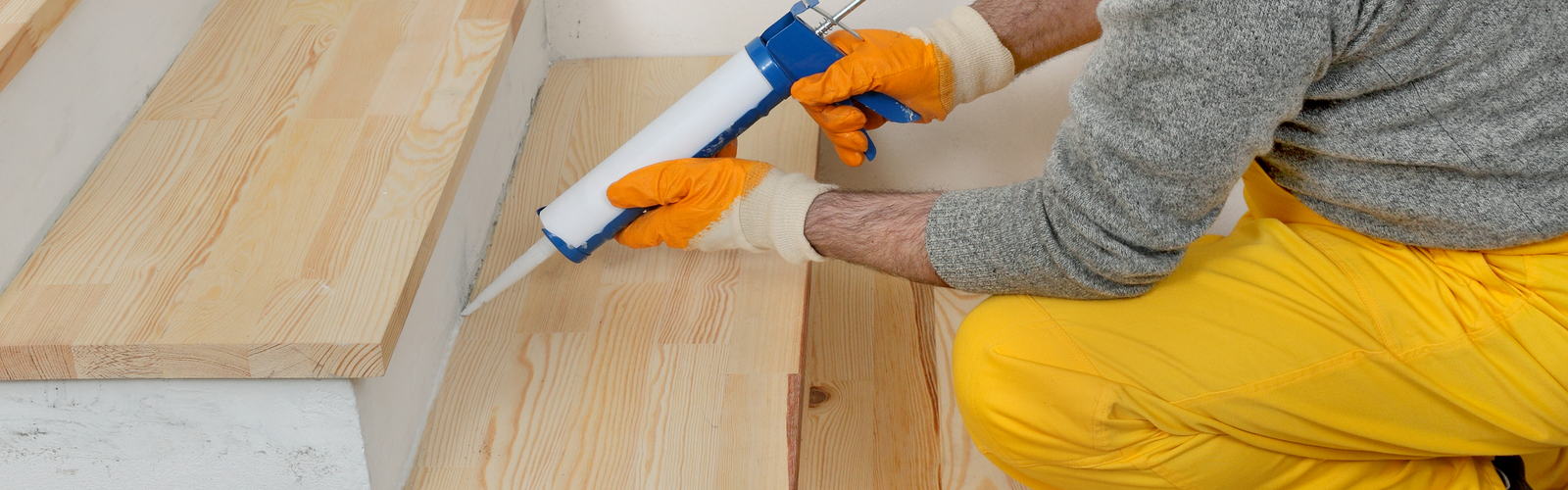
A good aluminium stair nosing installation comes down to five decisions: choosing the profile that suits your stair type, preparing the surface underneath, picking between adhesive and mechanical fixing, cutting each piece accurately to width, and finishing the edge cleanly. Make the right decisions and you protect the edge of every step for years, while giving your stairs a sharp, professional look.
This guide walks through each stage in plain language, whether you are renovating a family home or fitting stairs for a client. Before you pick up a saw or a tube of adhesive, though, you need to know which profile belongs on your steps.
Choosing the Right Stair Nosing Profile for Your Stairs
Imagine you are renovating a hallway with carpeted stairs or retiling a set of concrete steps. In both cases the right aluminium stair nosing protects the edge from wear and gives your feet a clear cue where each step ends. At Click Metal, we supply a few profiles, and they differ in how they sit on the step and how much of the edge they cover.
A profile that wraps over the front of a timber tread, for example, suits a different job from one that sits flush beside tile or carpet. Whichever aluminium stair profile you choose, an anti-slip stair nosing with a textured surface gives better grip underfoot, which matters on busy family stairs. If you are unsure which one fits your steps, our team can help through the contact form, and once you have settled on a profile, the next question is what it will be fixed to.
Preparing the Substrate and Choosing Between Adhesive and Mechanical Fixing
Even the best aluminium stair nosing will work loose if it is fixed to a poor surface, so a few minutes of checking now saves problems later. Before any stair nosing installation begins, make sure the step is:
- Clean and free of dust, grease and old adhesive
- Dry and free of damp
- Level, with no loose or crumbling edges
- Firm, with no flexing in timber treads
Next comes the choice of stair nosing fixings. Adhesive gives a neat finish with no visible screw heads and works well on flat, sound surfaces such as concrete or screed. Mechanical fixing with screws is better on timber treads, or on any step that takes heavy daily use, because it holds the nosing firmly even if the adhesive bond weakens over time.
Cutting to Width and Fitting Your Stair Nosing, Step by Step
A careful, methodical approach makes aluminium stair nosing installation straightforward, and the process is much the same for every profile. Follow these steps in order:
- Measure Each Step: Measure the width of every step separately, because steps are rarely identical.
- Cut to Width: Cut square with a fine-toothed saw and file away burrs, or order cut to size with a tolerance of + or - 2mm.
- Dry Fit First: Position the nosing so the stair edge profile sits flush with the step front and check the fit before fixing.
- Fix in Place: Apply adhesive evenly or drill and screw at regular intervals, pressing down firmly and following the adhesive maker's guidance.
- Check the Result: Run a hand along the edge, because a loose or raised nosing reduces slip resistance.
Once every nosing is fixed, a few finishing touches and safety checks remain.
Finishing Touches, Slip Resistance and Commercial Stair Safety
A tidy aluminium stair nosing installation finishes with a few simple checks. Wipe away any surplus adhesive straight away, check that screw heads sit neatly in their holes, and allow the adhesive to cure fully before the stairs are used. Safety deserves the same attention as appearance. In homes, an anti-slip stair nosing reduces the risk of slips by giving shoes a firmer grip, which is especially useful for children and older family members.
In offices, shops and other public buildings, commercial stair safety is a legal responsibility, and the Building Regulations set expectations for how stairs should perform. The exact requirements depend on the building and how it is used, so check the current guidance for your project, or speak to your building control officer if you are unsure. With your stairs finished and safe, the final step is getting accurately cut components.
Getting Your Stair Nosings Cut to Size with Click Metal
Accurate cutting makes every earlier step easier, so cut to size is standard at Click Metal. We cut each nosing to your measurements with a general tolerance of + or - 2mm, so it arrives ready for stair nosing installation with no trimming and very little waste. Because each stair edge profile is processed from stock, most orders are despatched within 48 hours, and there is no minimum order charge, so one step or a whole staircase is equally welcome. Orders travel by national courier to all parts of the UK.
If slip resistance is a priority, our team can help you choose the right profile, and if you cannot find the exact size in the shop, the contact form is the quickest way to ask. For larger or commercial requirements, our parent company, Doré Metal Services, can help with bulk or specialist supply.
Order Your Stair Nosings Cut to Your Exact Measurements
Choosing the right profile, preparing the surface, fixing securely and finishing neatly are what make a successful aluminium stair nosing installation. When you are ready, you can order your nosings cut to your exact measurements.
If you are unsure which profile or fixing suits your stairs, call us on 01794 526090 or send your requirements through our contact form. Get the preparation right, order accurately, and your stairs will look sharp and stay safe for years.
Recent Posts


