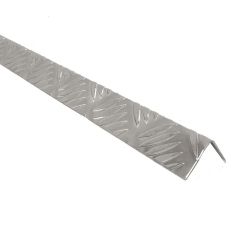
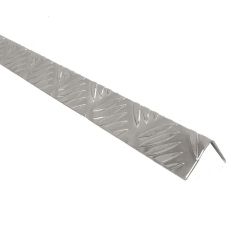
Aluminium tread plate, aluminium chequered plate, and aluminium checker plate are often used interchangeably to refer to the same type of plate with a raised pattern on the surface for anti-slip properties. They are used in the same applications.
The raised “bars” (the grip ridges) on 5-bar treadplate typically have a height of around 1.5 mm to 2.0 mm. This provides tactile grip without being overly pronounced. The precise height may vary slightly depending on manufacturing tolerances and material grade.
5-bar treadplate is used in many contexts where slip resistance and durability are important, such as:
- Flooring in industrial walkways, platforms, and steps
- Vehicle footwells and steps (vans, trucks)
- Stair treads and ramps
- Workshops, factory floors, and mezzanine surfaces
- Decorative use in interiors where an industrial aesthetic is desired
Yes. Aluminium 5-bar treadplate can be welded (e.g. TIG, MIG, or fusion techniques depending on alloy) provided proper preparation and best practices (cleaning, preheating, filler material, etc.) are used. It can also be cut, drilled, countersunk, and mechanically fastened via rivets, bolts, or screws. For load-bearing applications, consideration should be given to ensuring the pattern does not interfere with fastener seating.
The raised pattern (bars) adds stiffness to the plate in one direction, improving its rigidity under load. However, because the pattern involves embossed or rolled protrusions, the sheet is slightly thinner in non-bar areas compared to flat plate of the same nominal thickness. In most typical uses (flooring, steps, panels), this effect is negligible.
The ideal thickness depends on the load and span conditions. For light pedestrian use, thicknesses of 2 mm to 3 mm may suffice. For heavier industrial or vehicular use, you may need 4 mm or more. If in doubt, consult the structural load specs or ask us for guidance based on your application.
Yes. The orientation of the raised bars should generally run in the direction of travel (i.e. bars perpendicular to the direction people walk), so that stepping crosses the ribs and gains the full anti-slip effect. For ramps or stair nosings, the grip is maximized when bars are transverse to walking direction.
Aluminium treadplate can be anodised (for enhanced corrosion resistance and appearance) or powder coated/painted, though care must be taken to pre-treat the surfaces properly (cleaning, degreasing, possibly etching). The raised bar pattern may cause slight coating thickness variation, so select coating methods suited to textured surfaces.
Custom-cut 5-bar treadplate usually follows our standard turnaround for cut-to-size aluminium products (same-day cutting where possible, and dispatch via next-day courier). If your cut is especially large or complex, we may contact you with an estimated dispatch date.
The raised pattern on aluminium tread plates creates additional friction, enhancing grip and providing an anti-slip surface. This makes them suitable for areas where slip resistance is essential, such as stairs, ramps, and industrial flooring.
Yes, aluminium checker plates are weather-resistant due to the natural corrosion resistance of aluminium. This property makes them ideal for outdoor applications where exposure to the elements is a concern.
We offer aluminium chequer plate in grade 5754, which is known for its excellent combination of strength, corrosion resistance, and weldability.
Our aluminium treadplate is available in the following thicknesses to suit your requirements:
Yes. "Checker plate" and "treadplate" both refer to the same product: a metal sheet with a raised, repeating pattern across its surface that improves grip underfoot. "5 bar treadplate" simply describes one specific pattern style, featuring five raised parallel bars, and it's the most common checker plate pattern used in aluminium. You may also see it called "chequer plate" or "durbar plate," which are regional and historic names for the same type of material. Whichever term you use, at Click Metal it's cut to your exact size before dispatch.