

- Material
-
- Aluminium 61
- Brass 8
- Stainless Steel 8
- Galvanised Steel 1
- Mild Steel 1
Which Metal Is Best for Furniture Frames and DIY Builds
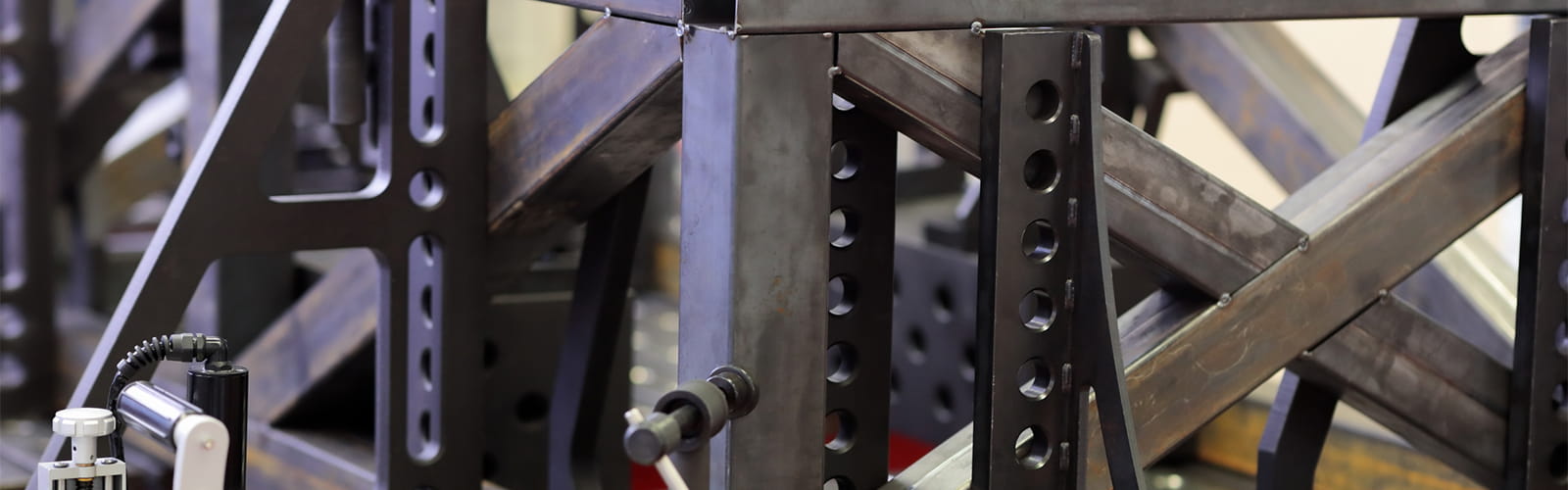
Choosing the right metal for a furniture frame comes down to three things: how much weight it needs to carry, how easily you can work with it, and where the finished piece will live. Mild steel, aluminium and stainless steel each bring a different balance of strength, weight and finish to a DIY build, and there is no single best metal for furniture that suits every project.
What matters is matching the material to the job in front of you, whether that is a simple frame for the lounge or a welded bench for the garden. Once you know what each metal offers, the choice becomes clear.
Which Metal Is Best for Furniture Frames? Key Factors to Weigh Up
So, which metal is best for furniture? It depends on four practical factors, and weighing them up before you buy saves time, money and a wasted length of metal:
- Strength: How much load the frame needs to carry, from a shelf bracket to a bench someone will sit on
- Weight: Whether the piece needs to be moved often, or stays put once built
- Workability: How easily the metal cuts, welds, drills and bolts together at home
- Finish: Whether you want a raw look, a painted surface, or something that resists marking
Section shape matters too. A box section gives a frame rigidity with little material, which is why it appears in so many furniture builds, while a square bar suits slimmer, more visible frames such as table legs. Whether you weld the joints or prefer a bolted frame you can take apart, these four factors point you to the right metal.
Mild Steel for Furniture Frames
Mild steel is often the best metal for furniture where cost and raw strength matter more than lightness. It's easy to source, straightforward to work with, and responds well to welding, which suits a first metalworking project. A welded frame in mild steel will comfortably support a dining table, a workbench or a set of shelving, and any imperfections in the weld can usually be ground back and finished without trouble.
The one thing mild steel needs is protection from moisture, since it will rust if left bare. For indoor use, a coat of paint or wax is usually enough. For anything exposed to the weather, a powder coating gives a tougher, longer-lasting finish that seals the surface properly and keeps the frame looking sharp for years.
Aluminium: The Lightweight Choice
Aluminium earns its place in furniture building through weight alone. A frame built from aluminium tube or bar is a fraction of the weight of the same shape in steel, which matters for anything you need to lift, carry or reposition, such as a folding table, a garden chair or a piece of shelving that moves between rooms from time to time.
It's softer than steel, so it needs a slightly different approach to joining, usually TIG welding or mechanical fixings rather than a standard arc weld, but it cuts and drills easily in a home workshop. Aluminium also resists corrosion naturally, and a powder coating adds colour and a durable surface if you want something beyond the raw metal look.
Stainless Steel for Furniture That Faces the Elements
When a frame is going to live outdoors or somewhere damp, such as a bathroom or a kitchen splashback, stainless steel is usually the best metal for furniture to choose. It resists rust and staining far better than mild steel, so a bare stainless steel frame can be left uncoated and still look good years later.
This makes it a strong option for outdoor furniture like a garden bench, a plant stand or a patio table frame, where rain and condensation would quickly attack an untreated metal. Stainless steel is heavier and more expensive than mild steel or aluminium, and it takes more effort to weld and finish, but for a piece that needs to survive the weather with minimal upkeep, it's usually worth the extra cost.
Other Options: Brass and Galvanised Steel
Mild steel, aluminium and stainless steel cover most furniture builds, but two other metals are worth knowing about for specific jobs. Brass brings a warm, decorative finish that works well for trim, handles, or accent strips on an otherwise plain frame, and a flat bar in brass can edge a shelf or a tabletop. It's softer and pricier than the structural metals, so it suits detail work rather than the frame itself.
Galvanised steel, on the other hand, is a practical choice when budget and weather resistance both matter. The zinc coating protects the steel underneath from rust, which makes it a sensible option for outdoor furniture that needs to survive rain and damp without the cost of stainless steel. It's not as refined in look, but for a garden frame or a utility piece, that's rarely much of an issue.
Box Section, Square Bar and Flat Bar: Building and Joining Your Frame
Once you've settled on a metal, the shape of the stock matters just as much. Each section type suits a different role:
- Box Section: A hollow profile that gives strong, rigid legs and uprights with very little flex
- Square Bar: A solid profile suited to slimmer frames and decorative elements where visible bulk matters
- Flat Bar: A thin strip used for brackets, feet, and joining plates
How you join the pieces matters too. Welding gives a permanent, rigid structure, while a bolted frame can be taken apart for moving or storing flat, which suits indoor use in a rented or shared space. Getting the metal cut accurately from the outset makes assembly straightforward, and that's where the best metal for furniture starts to matter as much as the build itself.
Get Your Frame Metal Cut to Size at Click Metal
Whichever metal suits your furniture frame, from mild steel and aluminium through to stainless steel, brass or galvanised steel, Click Metal can cut it to your exact measurements, ready to weld or bolt together. If you already know which is the best metal for furniture for your project, browse our shop for sheet, bar, angle, and section stock.
Can't find the size you need? Get in touch through our contact form or call 01794 526090, and we'll help you get it right.
Recent Posts


