

- Material
-
- Aluminium 61
- Brass 8
- Stainless Steel 8
- Galvanised Steel 1
- Mild Steel 1
Anodising vs Powder Coating Aluminium: Which Finish Lasts?
An aluminium component can look fine for a year or two before the finish starts to fail. Edge lifting, surface chalking, or visible patchwork repairs where the coating has come away are rarely problems with the metal itself. They usually result from specifying the wrong finish for the environment the metal will actually be exposed to.
Anodising vs powder coating aluminium is not a question of one being better than the other. It is about understanding how each process bonds to the surface, and what that means for durability, colour, and long-term maintenance. Get that wrong at the specification stage, and the finish will deteriorate faster than the metal underneath it. Our metal processing and finishing services cover both options, so you can confirm the right spec before your aluminium is cut.
The practical differences between the two processes come down to three things:
- How each finish bonds to the aluminium surface and why that affects its durability.
- Where each process performs best and where it is likely to let you down.
- What grade, cost, and repair access mean for your final decision.
Here is what you need to know before you specify.
What Each Process Actually Does
Both processes protect aluminium, but they work in fundamentally different ways. One converts the surface into part of the metal itself; the other builds a coating on top of it.
Anodising
Anodising is an electrolytic process that submerges aluminium in a sulphuric acid electrolyte and passes an electric current through it, oxidising the surface in a controlled way. According to the Aluminium Federation's fact sheet on aluminium finishing, the result is a dense, chemically stable aluminium oxide film that is an integral part of the underlying aluminium and cannot peel or flake off [1].
Standard film thicknesses range from 5 microns for decorative trim work to 25 microns for more demanding exterior applications, with 10-15 microns the typical range for interior use. Hard anodising with a low-temperature electrolyte produces abrasion-resistant films up to 125 microns thick.
Various colours are achievable through variations in the anodising process, with bronzes, silvers, and blacks common for architectural work. The colour sits within the oxide layer rather than on its surface.
Powder Coating
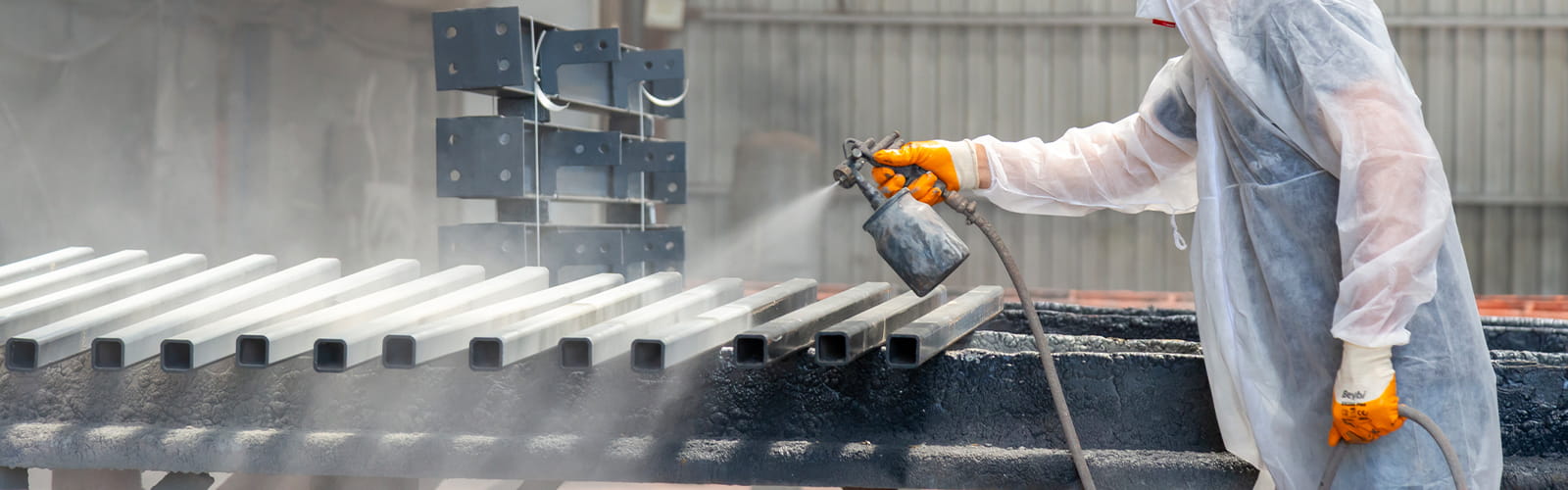
Powder coating applies a dry polymer powder to a pre-treated aluminium surface using electrostatic charge, then cures it under heat to form a continuous, hard finish. The Council for Aluminium in Building (CAB) confirms that powder coatings are solvent-free and require suitable pre-treatment to ensure adhesion. Polyester is the most widely specified resin system. With its enhanced durability, polyester is preferred for external applications due to its improved weathering resistance [2].
The powder coat sits on top of the aluminium surface and does not become part of it. The colour range is far wider than anodising, covering metallics, gloss, satin, matt, and textured finishes. Damaged areas can also be repaired locally, which is harder to achieve with an anodised surface.
Which Finish Holds Up Better & Where?
Both finishes offer genuine corrosion resistance, but performance differs depending on the conditions the aluminium will face. Grade, environment, and maintenance expectations all play a part.
Durability & Lifespan
An anodised finish is integral to the metal and does not crack, peel, or chip because there is no separate layer to lift away. The Council for Aluminium in Building (CAB) notes that anodised colours resulting from optical effects in the oxide layer are termed fade-free. Studies cited by CAB indicate that polyester powder-coated aluminium windows and curtain walling, when properly detailed and maintained, can retain excellent colour and gloss after more than 40 years.
Powder coating resists scratching and chipping better than conventional paint. Over time in harsh outdoor environments, it can experience UV degradation, chalking, or edge lifting. Damage can be patched, though repairing a large installed section is difficult.
Indoor vs Outdoor Use
For outdoor aluminium, anodising offers stronger long-term protection. The oxide film performs well in damp, UV-exposed, and coastal environments with minimal maintenance, making it the practical choice for garden structures, gates, cladding panels, and architectural trim.
Powder coating is suitable for indoor and sheltered outdoor applications, such as window frames, domestic furniture frames, and shopfitting. The colour range is broader, and the upfront cost is typically lower. The performance gap between the two finishes widens further with prolonged exposure to harsh outdoor conditions.
Grade Matters for Anodising
Not all aluminium anodises equally. The European Aluminium Association (EAA) notes that silicon-alloyed grades produce a naturally grey anodic coating, while a bright trim alloy can achieve a highly reflective mirror-like finish. Grades chosen for finish quality, such as 6063 aluminium sections, give a cleaner, more consistent result [3].
If your project will be anodised, confirm the grade before ordering. Getting it wrong at the cut stage means accepting an inconsistent finish or reordering.
Cost, Colour & What to Know Before You Specify
Anodising requires chemical baths and close process control, particularly for custom colours. Powder coating generally costs less per unit for standard colours and, as ALFED's aluminium finishing guidance confirms, offers a wider range including metallics, gloss, and matt options. For decorative or brand-specific colour requirements, powder coating is usually the more practical route.
Two points are worth confirming before you order:
- Both finishes add thickness. Anodising adds 5-25 microns, powder coating typically 60-100 microns.
- If you are working to tight tolerances on slots, fits, or machined interfaces, factor in the finish layer when specifying your dimensions before cutting.
- Anodising cannot be touched up locally; repairing it means stripping and re-anodising the whole surface.
Powder coat can be patched, which matters when a component has been installed, and on-site refinishing is the only realistic option.
Which Finish Suits Your Project
Without knowing where the aluminium will end up, finishing choices often come down to habit or cost, which works until it doesn't. Once you understand what separates an integral oxide layer from a surface-applied polymer coating, the decision becomes straightforward: anodising holds up better outdoors, powder coating offers more colour flexibility for interior and sheltered work, and grade selection affects how either finish performs. Those three things are enough to specify confidently before your aluminium is cut.
For projects where getting the finish right matters:
- Anodising suits outdoor, UV-exposed, or abrasion-prone aluminium components.
- Powder coating works well for interior or sheltered work where colour range counts.
- Grade selection affects anodising results, so confirm the spec before you order.
Click Metal supplies cut-to-size aluminium sheet and section in a range of grades, including 6063 for projects that will be anodised. Orders are cut to exact dimensions and ready for finishing, with metal processing and finishing services available for projects that need more than a straight cut.
Call 01794 526090 or enquire online to confirm your aluminium spec before it goes to a finisher.
External Sources
[1] Aluminium Federation (ALFED), UK Aluminium Industry Fact Sheet 10, Aluminium Finishing: https://alfed.org.uk/files/Fact%20sheets/10-aluminium-finishing.pdf
[2] Council for Aluminium in Building, Finishing: https://c-a-b.org.uk/finishing-2/
[3] European Aluminium Association (EAA), Sustainability of Aluminium in Buildings: https://european-aluminium.eu/wp-content/uploads/2022/10/sustainability-of-aluminium-in-buildings.pdf
Recent Posts


