

- Material
-
- Aluminium 61
- Brass 8
- Stainless Steel 8
- Galvanised Steel 1
- Mild Steel 1
Metal Tube vs Metal Pipe: What Are the Differences?
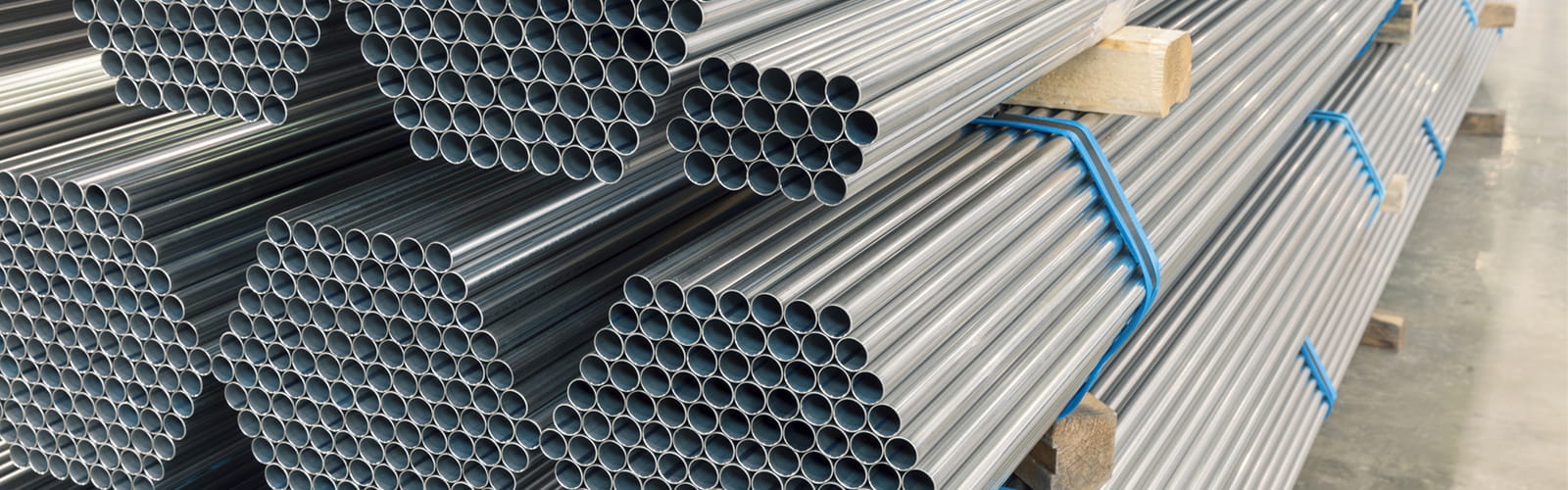
You’ve ordered the material, started the job, and something doesn’t fit or perform as expected. This is often caused by choosing the wrong specification.
A metal tube is defined by its outside diameter and wall thickness, making it suitable for structural and fabrication work. A metal pipe is measured by its internal diameter and is designed to carry liquids or gases under pressure, often using stainless steel welded tubes in systems where durability is required.
If you’re working on a construction, fabrication, or plumbing project, selecting the correct type helps ensure strength, performance, and a smoother installation.
This guide explains the differences between metal tubes and metal pipes, where each is used, and how to choose the right option for your project.
What Is a Metal Tube?
A metal tube is a hollow section defined by its outside diameter (OD) and wall thickness. These dimensions directly influence strength and suitability for structural and fabrication work.
Metal tubes are commonly used for:
- Structural frameworks and supports.
- Fabrication projects such as frames and railings.
- Machinery and engineering components.
Aluminium round tubes are often chosen where consistent sizing and a clean finish are required. Their uniform shape allows for accurate cutting and reliable welding.
The Health and Safety Executive (HSE) advise that construction materials must be suitable for the loads they carry and properly specified to reduce the risk of failure. This is why tube sizing focuses on external dimensions and wall thickness, as both directly impact structural performance [1].
Tubes are also commonly supplied cut to size, making them easier to integrate into projects where accuracy is important.
What Is a Metal Pipe?
A metal pipe is a hollow cylindrical section designed to carry liquids or gases. It is measured using its internal diameter (ID), as this determines flow capacity and system compatibility.
Metal pipes are commonly used for:
- Water supply and drainage systems.
- Gas and oil transport.
- Heating, ventilation, and pressurised systems.
Pipe wall thickness is defined by pressure ratings, often referred to as “schedule”, ensuring the pipe can safely contain internal pressure.
HSE states that pressure systems include pipework and associated components that contain fluids such as steam, compressed gas, or pressurised hot water. These systems must be properly designed, maintained, and regularly examined to prevent failure and reduce the risk of serious injury [2].
Pipes are typically supplied to standard specifications to ensure compatibility with existing systems.
Why Sizing Matters: Precision vs Flow in Real-World Projects
The difference in sizing between tubes and pipes also affects how accurately they can be used in real projects. Tubes are manufactured with tighter tolerances, which makes them more suitable for applications where precision is required, such as fabrication, engineering, and structural frameworks. Pipes follow standardised sizing systems designed to support consistent flow rather than exact external dimensions.
In construction and manufacturing, this distinction is critical. The UK government highlights that failures in construction products can occur across design, specification, and installation, reinforcing the need for materials to be correctly selected and used within their intended systems [3].
This means tubes are often preferred where components need to fit accurately or be cut to size, while pipes are used where flow performance and pressure handling are the priority.
Products like metal box sections are often used alongside tubing to create stable, load-resistant structures.
Choosing the Right Materials, Finishes, & Durability
The material you choose affects how a tube or pipe performs in different environments. In the UK, construction products must meet regulatory requirements and be correctly specified for their intended use.
Common options include:
- Aluminium is lightweight, corrosion-resistant, and commonly used in frameworks, electrical components, and outdoor applications.
- Stainless steel offers high strength and corrosion resistance, making it suitable for harsh environments such as marine or chemical settings.
- Mild steel is widely used for general structural applications where cost-effectiveness is important.
- Galvanised steel provides additional protection in exposed or outdoor conditions.
The Office for Product Safety and Standards (OPSS) states that construction products supplied to the GB market must meet regulatory requirements and carry recognised conformity markings, such as UKCA or CE, to ensure materials are suitable for their intended use [4].
How to Choose the Right Option Without Costly Mistakes
Choosing between a tube and a pipe depends on how the material will be used in your project.
- Use tubes where accurate sizing, clean finishes, or structural strength are required.
- Use pipes where fluid movement and system compatibility are the priority.
- Consider whether the material needs to be cut or fabricated to exact dimensions.
- Factor in environmental conditions such as moisture and corrosion.
For projects that require precise lengths or custom preparation, using cut-to-size metal processing services can help reduce waste and improve installation accuracy.
Why Choose Click Metal for Cut-to-Size Metal
Choosing the right tube or pipe is only part of the process. Working with a supplier that delivers accurate sizing and reliable service helps keep your project on track and reduces unnecessary adjustments.
Click Metal supplies cut-to-size metal products, allowing you to order materials to your exact specifications. This improves efficiency across DIY, fabrication, and light commercial projects. Orders are placed online, with additional support available through Dore Metals for larger or specialist requirements.
Call 01794 526090 or enquire online to get expert advice, order cut-to-size materials, and take advantage of fast UK delivery.
External Sources
[1] The Health and Safety Executive (HSE), Health and Safety in Construction: https://www.hse.gov.uk/pubns/books/hsg150.htm
[2] The Health and Safety Executive (HSE), Pressure Systems Safety Regulations 2000 (PSSR): https://www.hse.gov.uk/pressure-systems/pssr.htm
[3] GOV.UK, Ministry of Housing, Communities & Local Government (MHCLG), Construction Products Reform White Paper: https://www.gov.uk/government/consultations/construction-products-reform-white-paper/construction-products-reform-white-paper
[4] Ministry of Housing, Communities and Local Government, Department for Levelling Up, Housing and Communities and Ministry of Housing, Communities & Local Government (2018 to 2021), Construction Products Regulation in Great Britain: https://www.gov.uk/guidance/construction-products-regulation-in-great-britain
Recent Posts


