

- Material
-
- Aluminium 61
- Brass 8
- Stainless Steel 8
- Galvanised Steel 1
- Mild Steel 1
What Is the Best Finish for Brass Surfaces?
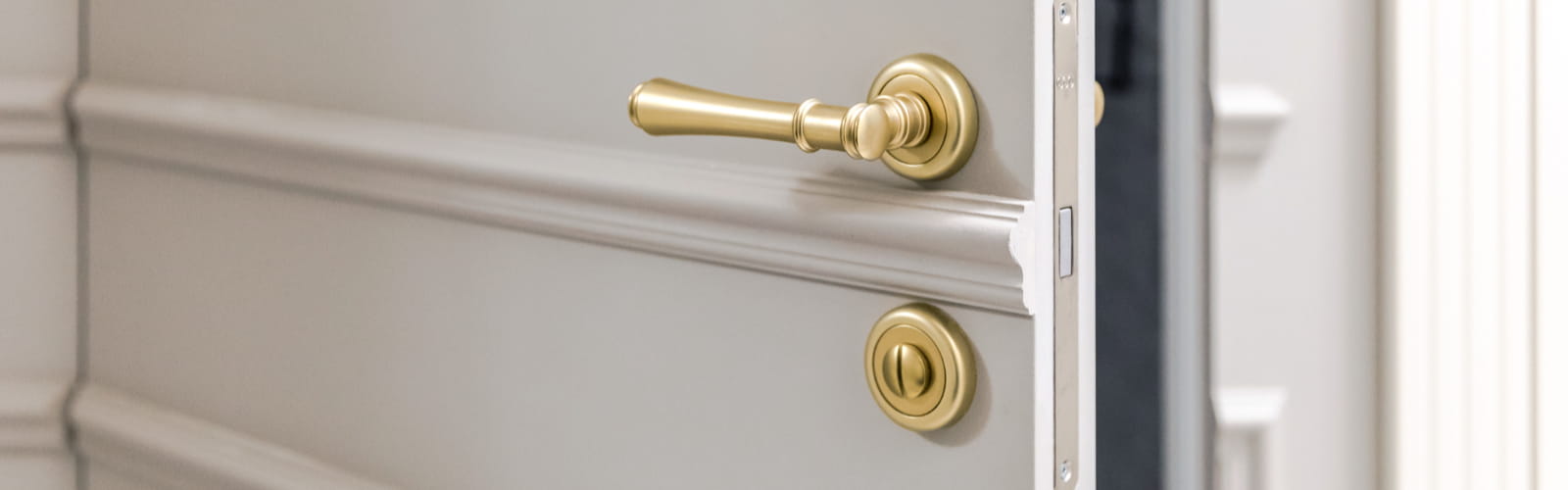
The best finish for brass is not a one-size-fits-all answer, and choosing the wrong one is an easy mistake to make and a costly one to fix. Brass is one of the most versatile decorative metals in interior design, but without the right protective coating, even the finest fixture will tarnish, dull, or deteriorate faster than it should.
The choice between lacquered and waxed brass affects everything from daily maintenance to how the metal ages.
Choose the wrong finish and the consequences are hard to fix:
- Lacquer yellows or chips in humid conditions and cannot be spot-repaired.
- Wax wears away on high-traffic surfaces and needs frequent re-application.
- Patina develops where consistency was the goal and is hard to reverse.
This guide covers both options in full, so you can match the right finish to the right application and choose with confidence.
What Lacquered Brass Does & Where It Works Best
Lacquered brass is coated with a clear organic layer that creates a barrier against air, moisture, and handling, keeping the metal bright and consistent without regular intervention.
How long that protection lasts depends on the environment. According to the Copper Development Association (CDA), a silicone primer and acrylic top coat showed excellent appearance after more than six years of interior service with moderate or no abrasion. High-touch applications told a different story, with acrylic lacquer failing in under a year on handrails. The pattern shows that stable indoor environments with limited handling produce the best results [1].
The trade-off is repairability. Once lacquer chips or yellows, the whole piece typically needs stripping and re-coating. It is also worth noting that darkening can occur beneath an intact coating, caused by residual solvents reacting with the brass, particularly in areas exposed to natural light.
These are the main situations where lacquered brass tends to work well:
- Low-maintenance installations where a consistent finish is the priority.
- Commercial and retail interiors with controlled humidity and limited abrasion.
- New decorative metalwork where a stable, long-lasting sheen is required.
What Waxed Brass Does & Where It Works Best
Waxed brass protects the metal while allowing it to breathe and age naturally. Rather than sealing the surface, a thin layer of wax preserves the metal's warmth and tactile quality and can be refreshed with standard brass-wax products at home.
The main appeal is that wax works with the metal rather than against it, allowing a natural patina to develop over time. Museums Galleries Scotland (MGS) notes that patina forms a protective layer on metal surfaces and recommends wax as an appropriate treatment, while advising that moisture and regular handling both accelerate surface change. In humid environments or high-touch applications, this means more frequent brass care [2].
These are the main situations where waxed brass tends to work well:
- Vintage or bespoke pieces where natural patina is part of the aesthetic.
- Residential settings where occasional maintenance is manageable.
- Decorative items with limited exposure to moisture or direct handling.
How to Choose a Brass Finish for Your Environment
The environment in which the brass will be placed is one of the most important factors in selecting a finish. Exposure to air, moisture, and hands-on contact all affect how quickly any protective coating degrades.
In domestic settings, waxed brass is often a good fit for decorative elements such as door furniture, light fittings, and shelf brackets, where moderate use and periodic brass care are realistic expectations. Lacquered brass suits areas such as hallways and living spaces where a clean, consistent appearance is preferred with minimal effort.
In hotels, retail spaces, and hospitality environments, the picture changes. High footfall, frequent cleaning with commercial products, and constant handling put considerable strain on any finish. Lacquered brass holds up better under these conditions, though it is worth specifying a high-quality coating from the outset.
How Each Finish Changes the Look of Brass Over Time
Lacquered brass holds its original colour and shine throughout its coating lifespan, offering a consistent result that suits modern interiors where uniformity across fixtures matters. Waxed brass ages visibly. The warm golden tone deepens over time, and areas of wear develop a darker, richer hue.
Writing in House and Garden (HG), interior designer Patrick Williams of Berdoulat describes designing with living finishes that promote eventual patina, believing the best results come from use and exposure over time. The article points specifically to unlacquered brass as a deliberate design choice, with aged brass fittings valued for the character they develop rather than despite it [3].
For many designers specifying decorative metals, this living quality is a positive attribute rather than a flaw. The question to ask is whether you want your brass to look the same in ten years or better. That answer will guide your finish choice more reliably than anything else.
Start Your Brass Project with Click Metal
Choosing the right finish for brass is easier when you have the right material to start with. Before you make a decision, consider where the brass will be used, how often it will be handled, and how much maintenance you are prepared to carry out. Once you know those answers, the final choice tends to follow naturally.
Click Metal is a UK-based online metal supplier offering the likes of brass sheets cut to size for decorative and functional applications. Whether you need a single piece or multiple components, our team supplies brass to your exact measurements with fast nationwide delivery, backed by knowledgeable support for anyone unsure about specifications.
Call 01794 526090 or enquire online to discuss your brass requirements with our team.
External Sources
[1] Copper Development Association (CDA), Clear Organic Finishes for Copper and Copper Alloys: https://www.copper.org/publications/pub_list/pdf/a1350.pdf
[2] Museums Galleries Scotland (MGS), Metal Collections Care: https://www.museumsgalleriesscotland.org.uk/advice-article/metal-collections-care/
[3] House and Garden (HG), Patrick Williams of Berdoulat, Why Are We So Obsessed With Patina – and What Does It Say About Us: https://www.houseandgarden.co.uk/article/why-are-we-obsessed-with-patina
Recent Posts


