

- Material
-
- Aluminium 61
- Brass 8
- Stainless Steel 8
- Galvanised Steel 1
- Mild Steel 1
Can You Recycle Stainless Steel in the UK?
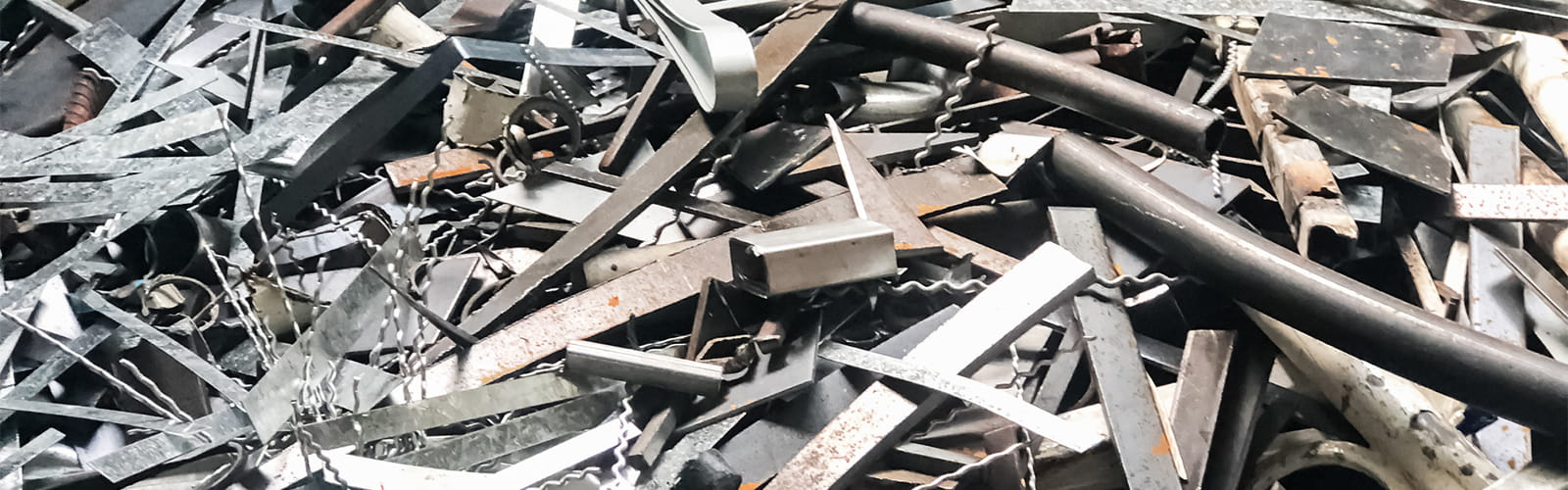
Stainless steel was designed to last, but also to be recovered. The alloys that give it corrosion resistance, strength, and hygiene performance retain their full value through every recycling cycle, making it one of the most material-efficient metals in circulation. Yet stainless steel scrap remains one of the most commonly misidentified and misdirected materials at the end of life. When it is not properly sorted or recovered, the chromium and nickel content are lost rather than reclaimed.
For manufacturers, fabricators, and procurement teams working to hit environmental targets, that represents a direct hit to both reporting metrics and material costs. The UK has a well-established infrastructure for stainless steel recycling, and the process is both efficient and economically sound.
This article explains how it works, which grades are most commonly involved, and what the environmental and commercial benefits look like in practice.
The Reason Stainless Steel Loses Nothing in Recovery
Stainless steel's recyclability stems from its alloying elements. Chromium, nickel, and molybdenum are all highly valuable and fully recoverable at the end of life, meaning the material can be remelted and returned to use without any loss of performance. According to the British Stainless Steel Association (BSSA), stainless steel is theoretically 100% recyclable, and any stainless steel object already contains around 60% recycled content on average [1].
In practice, that figure is even higher across European plants, where recycled content in production reaches up to 94.6%. Globally, around 55 million tonnes of stainless steel were produced in 2023, with approximately 27 million tonnes of recycled material contributing to that output.
Scrap is collected from industrial, commercial, and domestic sources, sorted by grade, and remelted in electric arc furnaces to produce new steel that meets the same specifications as primary material.
Every Common Grade Is Recoverable
All of the main stainless steel grades used in the UK are recyclable. The following grades are routinely processed through UK recycling facilities:
- Grade 304 is the most widely used grade in domestic and light commercial applications.
- Grade 316 is common in marine, medical, and food processing environments.
- Grade 430 is a ferritic grade frequently found in appliances and automotive trim.
Industrial scrap typically comes from fabrication waste, pipework, and structural components. Domestic scrap includes cookware, sinks, appliances, and architectural fittings. Both streams are viable inputs for recovery, provided they are correctly sorted by grade before processing.
Grade segregation at the point of collection is not a minor detail. The Waste and Resources Action Programme’s (WRAP) 2024 review of UK metal recycling found that the standards used to sort scrap steel in the UK are currently insufficient to ensure the quality and consistency required to recycle into high-grade products. The same report notes that the UK generated 11.3 million tonnes of scrap steel in a single year, with 8.7 million tonnes exported rather than processed domestically. That export figure reflects a sorting and infrastructure gap, not a shortage of recoverable material. Keeping grades separate from the outset determines whether scrap retains its value or is downgraded [2].
What Recycling Stainless Steel Actually Saves
Recovering and reusing stainless steel scrap cuts demand for virgin chromium, nickel, and iron ore, all of which require energy-intensive extraction. It also reduces CO2 emissions from primary steelmaking, one of the UK's highest-emission manufacturing sectors.
The UK produces around 10-11 million tonnes of steel scrap annually, but currently uses only around 2.2 million tonnes domestically, according to the Department for Business and Trade (DBT). With domestic scrap demand forecast to reach 6.7 million tonnes by 2040, the surplus represents a significant economic opportunity for the sector. Demand for high-quality, low-residual scrap is expected to rise by seven to eight times as new electric arc furnaces come online, making the recovery and reuse of alloy-rich material more valuable than ever [3].
Recycled stainless steel supports the circular economy by keeping valuable alloy content in use. For manufacturers sourcing stainless steel sheet, bar, or sections, specifying recycled or responsibly sourced material can contribute to environmental reporting targets and procurement sustainability criteria without compromising performance.
The same principle applies across metal types. For context on how a comparable recycling process works with another commonly recovered material, our guide to how the aluminium recycling process helps the planet covers the energy and emissions case in detail.
Source Stainless Steel the Responsible Way
Stainless steel's recyclability makes it one of the most material-efficient metals available. A long service life, full recoverability at the end of use, and lower energy demands compared to primary production all point in the same direction.
The material choice and the sourcing decision both matter:
- Stainless steel retains its alloy properties through every recycling cycle.
- Cut-to-size ordering reduces offcut waste at the point of purchase.
- Grade selection support means the right specification is ordered the first time.
Click Metal is a UK-based online metal supplier with over 70 years of industry experience. Stainless steel is sourced with quality and traceability in mind, and is available cut to your exact measurements with free cutting, next-day courier delivery, and no minimum order charge. Whether you are a procurement team meeting environmental targets or a fabricator working to reduce waste on site, the range covers sheet, bar, and section, available to order directly online.
Call 01794 526090 or enquire online to discuss your stainless steel requirements with the team.
External Sources
[1] British Stainless Steel Association (BSSA), Environmental Aspects of Stainless Steel: https://bssa.org.uk/bssa_articles/environmental-aspects-of-stainless-steel/
[2] The Waste and Resources Action Programme (WRAP), Increasing UK Metal Recycling: https://www.wrap.ngo/resources/report/increasing-uk-metal-recycling
[3] GOV.UK, Department for Business & Trade (DBT), the UK Steel Strategy: https://www.gov.uk/government/publications/steel-strategy/the-uk-steel-strategy-web-version
Recent Posts


