

- Material
-
- Aluminium 61
- Brass 8
- Stainless Steel 8
- Galvanised Steel 1
- Mild Steel 1
Heat Treating Metal Explained: Methods, Results & Uses
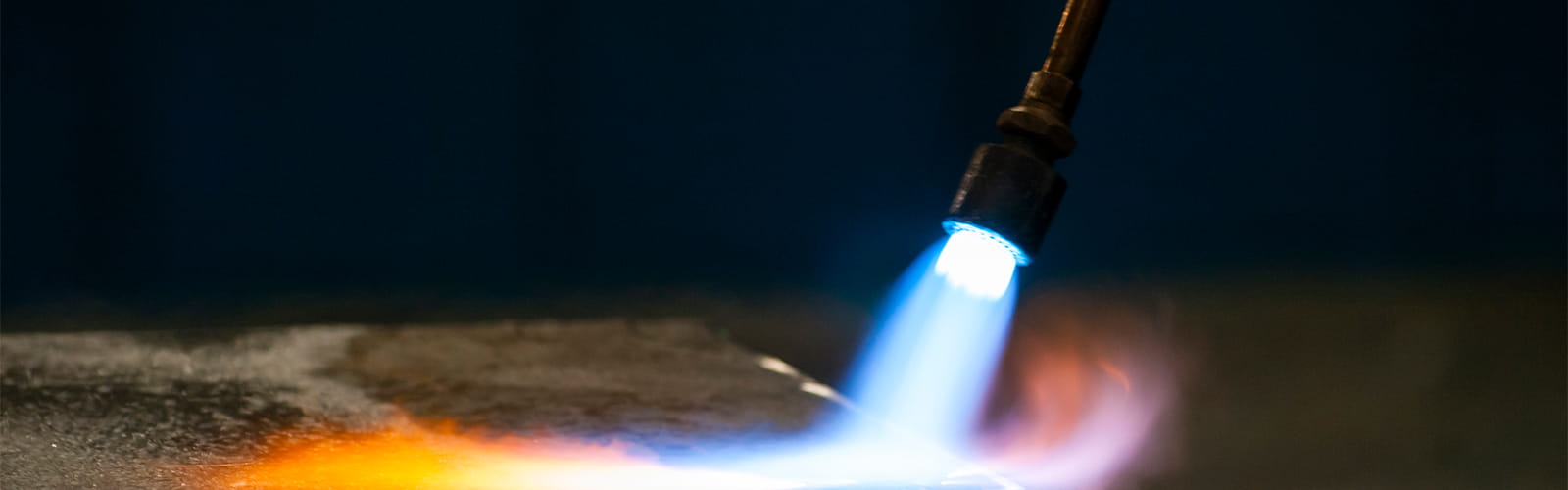
Heat treating metal sits at the centre of most serious fabrication and engineering workflows, and for good reason. A metal that has not been treated, or has been treated incorrectly, may be too brittle to hold up under stress, too soft to machine cleanly, or carry internal stresses that cause distortion further down the line. Choosing the right alloy is only part of the material decision.
The properties that make metal useful – hardness, toughness, ductility and strength – are not fixed at the point of manufacture. They can be adjusted within the limits set by the alloy through controlled heating and cooling. That is how the gap between what a material is and what it needs to be gets closed.
This guide covers the main heat treatment processes, what each produces, and how each applies in practice to aluminium and aluminium round bar.
What Is Heat Treating Metal?
Heat treatment is a controlled process of heating and cooling metal to change its internal structure without altering its shape. The goal varies by method, but the underlying mechanism is consistent. As The Welding Institute (TWI) explains, heating causes atoms to migrate within the crystal lattice, which reduces the number of dislocations and drives changes in ductility and hardness. Different temperatures, holding times, and cooling rates produce different outcomes, and the heat treatment process is always planned around the alloy in question and the properties required at the end [1].
Why Heat Treatment Is Used in Metalworking
Raw metal rarely arrives in the condition best suited for its end use. It may be too soft for a load-bearing application, too brittle after forming, or carrying residual stresses from earlier processing. The Health and Safety Executive (HSE) defines heat treatment as the use of heat, sometimes with specific gases, to metallurgically alter the structure and mechanical properties of a component, with outcomes ranging from stress relief and softening to hardening or even a change in composition where unique surface properties are needed [2].
That flexibility is what makes it so widely applied, as the same process category can:
- Prepare a material for further machining.
- End its service life.
- Increase resistance to wear and fatigue, depending on how it is used.
Common Metal Heat Treatment Processes
As TWI explains, metal tempering is specific to steels and involves heating to below the lower critical temperature to soften hard microstructures formed during previous treatments, improving ductility and toughness and allowing precipitates to form and their size to be controlled. It always follows quenching [3].
Other common metal heat treatment techniques include:
- Annealing, which softens metal by heating and cooling slowly, relieves stresses and improves formability before further shaping or machining.
- Normalising, which refines grain structure in steel by heating above the critical temperature and cooling in air.
- Quenching, which rapidly cools metal after heating to lock in a hard structure, though it leaves the material brittle without subsequent tempering.
- Solution heat treatment dissolves alloying elements at a precise temperature, then cools rapidly, holding them in suspension and ready for the next stage.
- Age hardening, which follows solution treatment and causes fine particles to form within the structure, produces a significant increase in strength.
Heat Treating Aluminium & Aluminium Round Bar
Aluminium does not undergo the same phase transformations as steel. Its strengthening relies on dissolving and precipitating alloying elements through solution heat treatment and age hardening aluminium, the two processes most relevant to structural and engineering grades.
Results are described using temper designations. T4 indicates solution heat treatment followed by natural ageing at room temperature. T6 means artificial ageing at elevated temperature, producing near-maximum strength.
These matters are important because they directly affect how the material behaves:
- Under load
- In machining
- After welding
As the Aluminium Federation (ALFED) notes, heat-treatable alloys offer the highest strength, and where ductility matters, they can be fabricated at an intermediate stage and then heat-treated to obtain maximum strength. The same source confirms that machining characteristics improve with increasing alloy strength [4].
Aluminium round bar in heat-treated grades is suitable for machined and load-bearing components such as shafts, pins, and structural inserts. Grades 6082 T6 and 2014A are both available cut to size, with 6082 the practical default for general fabrication and engineering work. The uniform cross-section heats and cools evenly, reducing distortion risk, and the natural corrosion resistance of aluminium means the heat-treated round bar performs well in both indoor and outdoor applications.
For a direct comparison of round bar and round tube and which suits different project types, our guide, aluminium round bars vs round tubes: which should you use? covers the trade-offs in detail.
Design, Alloy Selection & Next Steps
Heat treatment produces better results when it is built into the project plan from the start, not added after the fact. Specifying the right alloy, sequencing machining correctly, and understanding the material's temper designation all affect what the finished component can achieve.
The key decisions to get right before you order:
- Rough machine first, heat treat, then finish machine to final tolerances.
- Specify a heat-treatable alloy if solution treatment and ageing are required.
- Default to 6082 T6 for most fabrication and machining work.
Click Metal supplies aluminium round bar and a wide range of cut-to-size metal products online, with fast UK-wide delivery. Our metal processing services cover a range of cutting and processing options for those working through fabrication requirements. Alternatively, our guide to choosing the right aluminium grade for your project covers the alloy series in detail for anyone still working through a material decision. For larger or specialist requirements, we refer you to our parent company, Doré Metals.
Call 01794 526090 or enquire online to discuss your requirements with the team.
External Sources
[1] The Welding Institute (TWI), What is Annealing? A Complete Process Guide: https://www.twi-global.com/technical-knowledge/faqs/what-is-annealing
[2] GOV.UK, the Health and Safety Executive (HSE), HSE and Surface Engineering: https://www.hse.gov.uk/surfaceengineering/surfaceengineering.htm
[3], Heat Treatment of Welded Joints – Part 2: https://www.twi-global.com/technical-knowledge/job-knowledge/heat-treatment-of-welded-joints-part-2-115#
[4] Aluminium Federation (ALFED), UK Aluminium Industry Fact Sheet 9, Aluminium Extrusions: https://alfed.org.uk/files/Fact%20sheets/9-aluminium-extrusion.pdf
Recent Posts


