

- Material
-
- Aluminium 61
- Brass 8
- Stainless Steel 8
- Galvanised Steel 1
- Mild Steel 1
Hex Bar vs Round Bar: Which Is Better for Fabrication
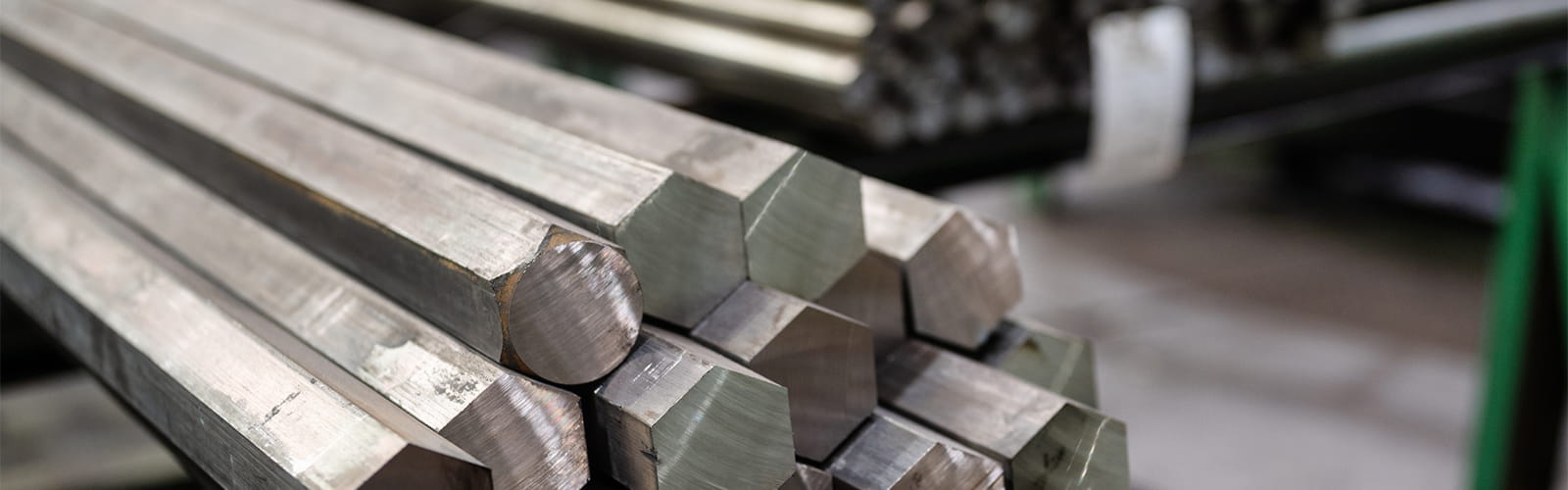
Choosing the right bar stock is one of those decisions that seems simple until you are actually stood in front of the options. For fabricators, engineers and hobbyist machinists, the round bar vs hex bar question comes up constantly, and the answer depends less on preference and more on what the part needs to do. Grip, tooling, waste and strength all play a part. Understanding how each profile behaves before you order will save you time at the bench and material in the offcuts bin.
What Is the Difference Between a Round Bar and a Hex Bar?
The core round bar vs hex bar distinction comes down to cross-section. Round bar is exactly what it sounds like: a continuous circular profile, smooth on every side. Hexagonal bar has six flat faces arranged symmetrically around the centre, measured by the distance across flats rather than a diameter. This single geometric difference shapes almost everything else about how the two behave in fabrication.
Round bar is the more common of the two, supplied across aluminium, stainless steel and brass grades for shafts, handles and machined components. Hexagonal bar, by contrast, is built for grip. It too is supplied across aluminium, stainless steel, and brass, and is the standard choice for hex bars destined to become nuts, bolts and fasteners, where the flat faces give a spanner something to hold onto.
Grip and Handling During Fabrication
Handling is where the two profiles part ways most obviously. A hex bar's flat faces sit securely against a spanner, vice jaw or fixture without slipping, which makes it far easier to control during cutting, drilling or turning operations that need a fixed orientation. Round bar has no such reference point on its own, so it typically needs a chuck, collet or specially shaped jig to stop it rotating under load.
That said, round bar has its own handling advantages once it is set up correctly. Aluminium round bar in particular is straightforward to feed through rotary equipment, and cold drawn stock offers a tighter, more consistent diameter that reduces play in the chuck. Bright bar, a cold finished round product with a smooth, accurate surface, is often chosen specifically for this reliability, since the improved dimensional accuracy means less setup correction before work can begin.
Tooling Compatibility and Machining Considerations
Tooling compatibility often decides the round bar vs hex bar debate before any other factor gets a look in. If a project uses standard spanners, sockets or wrenches, the across‑flats dimensions of hex bar stock are designed to match common tool sizes, removing an entire layer of setup.
Consider the following when weighing up tooling needs:
- Fixturing Simplicity: Hex bar sits flat in a vice or jig without additional clamping aids, while round bar generally needs a V-block or collet to prevent rotation.
- Standard Tool Fit: Hex profiles are sized to match common spanner and socket dimensions, useful where the finished part needs to be gripped by hand tools later.
- Lathe and Mill Suitability: Round bar is the natural choice for turning operations, since it is already the shape most lathe work aims to produce.
- Rotational Stability: Hex bar resists turning under torque, which matters for fasteners and components that will be tightened or loosened repeatedly.
Material Efficiency: Round Bar vs Hex Bar
Material efficiency is where the round bar vs hex bar choice can genuinely affect your budget. If the finished component needs a circular profile, round bar is the efficient starting point; machining it down from hex stock means removing material you paid for and now have to dispose of. The reverse is equally true. Producing a hexagonal head or fitting from round bar involves cutting away the corners entirely, which wastes far more material than starting with hex stock in the first place.
Mild steel is a good example of where this matters in practice. For fastener production or any application needing flat faces, sourcing hex bar from the outset avoids unnecessary machining time and offcut waste. Matching the starting profile to the finished shape is the simplest way to improve material efficiency on any fabrication job, and it is worth thinking through before an order is placed rather than after.
Strength and Structural Performance
Strength considerations do factor into the round bar vs hex bar decision, though the difference is more about distribution than raw capability. Round bar spreads load evenly around its circumference, which makes it well suited to torsion and rotational applications such as shafts and axles.
Hexagonal bar carries slightly more cross-sectional material for a given across flats dimension, giving it a marginal edge in some compressive and fastener applications where flat bearing surfaces matter.
Cold drawn processing improves the mechanical properties of either profile, refining grain structure and improving tensile strength compared with hot rolled stock. For structural or load-bearing parts in brass, stainless steel or galvanised steel, specifying cold drawn material is a straightforward way to get a stronger finished product without changing the profile itself.
Choosing the Right Alloy: Aluminium, Brass, Mild Steel and Stainless
Profile is only half the decision. The alloy you choose has just as much bearing on how the part performs, and both round bar and hex bar are available across the full range Click Metal stocks. A few pointers to narrow things down:
- Aluminium: Lightweight and corrosion resistant, aluminium is well suited to fixtures, brackets and applications where reducing overall weight matters more than raw strength.
- Brass: Naturally corrosion resistant with excellent machinability, a common choice for fittings, decorative work and components that need a clean, consistent finish.
- Mild Steel: Cost-effective and strong, the default option for general fabrication and structural work where extreme corrosion resistance is not a priority.
- Stainless Steel: The best choice where hygiene, weather exposure or long-term durability are the main concerns, from marine fittings to food-grade equipment.
Bright bar finishes are available across several of these alloys, giving you a smoother, more accurate surface straight off the shelf. Whichever alloy suits your application, matching it to the right profile is what determines material efficiency and finished part quality, not one factor in isolation.
Get the Right Bar Stock, Cut to Your Exact Length
At Click Metal, we cut both round and hexagonal bar to your exact length across aluminium, brass, mild steel and stainless steel, with no minimum order charge and most orders dispatched within 48 hours. Whether you are fitting fasteners or machining a shaft, you order to your specification, and it arrives ready to work with. Order online today, or get in touch by phone on 01794 526090 or through our contact form if you would like advice on which profile or alloy suits your project.
Recent Posts


