

- Material
-
- Aluminium 61
- Brass 8
- Stainless Steel 8
- Galvanised Steel 1
- Mild Steel 1
Is Galvanised Steel Better Than Mild Steel for Outdoor Use?
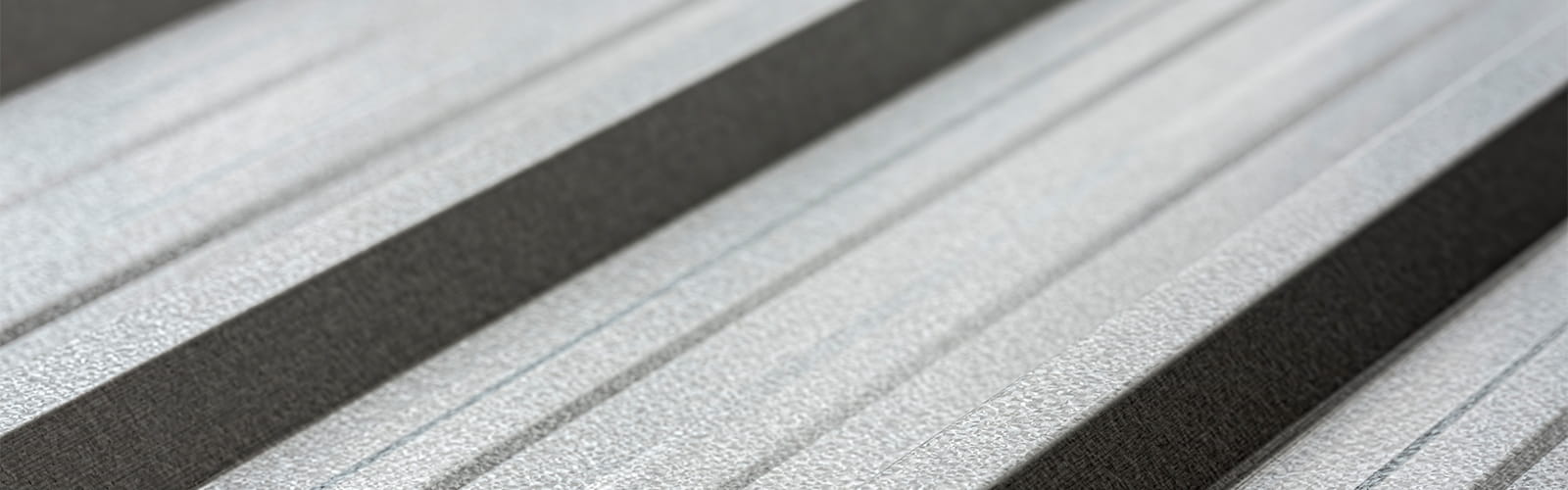
Steel is widely used in outdoor construction for its strength and versatility. Once exposed to rain, humidity, and temperature changes, corrosion resistance and long-term maintenance become critical considerations.
For most external applications, galvanised steel is the more suitable option. Its zinc coating protects the steel from corrosion, supports long-term structural performance, and reduces ongoing maintenance compared with untreated mild steel. Outdoor performance is often decided at the specification stage. Materials that appear similar on installation can behave very differently once exposed to weather and limited access for upkeep.
This guide compares galvanised steel and mild steel for outdoor use to support practical decisions for builders, fabricators, and procurement teams.
Understanding the Two Steels Most Commonly Used Outdoors
Mild steel is a low-carbon steel commonly specified for structural and fabrication work because it is strong, workable, and cost-effective. It is widely used for frames, brackets, supports, and fabricated components that require cutting, drilling, and welding.
When outdoors, mild steel depends on a protective finish to perform reliably. Without coatings such as paint or powder coating, exposure to moisture and oxygen leads to corrosion over time. Our team supplies mild steel sheets cut to size for projects where a coating system is planned or where the steel will be installed in more sheltered conditions.
Galvanised steel is mild steel coated with zinc, most commonly by hot-dip galvanising. The coating acts as a physical barrier and provides sacrificial protection at cut edges and minor damage sites, helping maintain the steel’s condition in exposed outdoor environments. We supply galvanised steel sheet products cut to size for applications where corrosion protection is needed from the outset.
The Galvanizers Association UK and Ireland reports that an 85-micron hot dip galvanised coating can provide between 34 and 174 years of protection across the UK and Ireland, depending on local atmospheric corrosion rates [1]. Typical coating thickness ranges from 45 microns to over 200 microns, and service life generally increases as coating thickness increases.
How Outdoor Exposure Changes Steel Performance Over Time
Galvanised steel and mild steel share the same base material, so both can be specified for similar load-bearing applications. Outdoors, performance differences emerge over time, driven by each material's corrosion resistance and the maintenance required to keep it in serviceable condition.
What Mild Steel Needs to Perform Reliably Outdoors
Mild steel can be used outdoors when corrosion protection is planned and maintained throughout the structure's life.
This typically involves:
- A specified coating system, such as paint or powder coating.
- Regular inspection at joints, fixings, and cut edges.
- Localised repairs are made to prevent corrosion from spreading beneath the surface.
Why Galvanised Steel Is Often Chosen for Exposed Environments
Galvanised steel includes corrosion protection as part of the material itself, applied during the galvanising process. UK Government guidance explains that steel is immersed in molten zinc at approximately 440-460°C, creating a bonded coating designed for long-term protection in service [2].
In practical outdoor terms, this means:
- Protection is present from installation, including around complex shapes.
- Minor impacts are less likely to become early corrosion points.
- Maintenance requirements are typically lower than those of painted mild steel in fully exposed locations.
Why Corrosion Protection Is a Specification Decision
UK guidance also notes that zinc and other residues from galvanised products can enter site runoff, which is why the galvanising sector operates under specific environmental controls. For specifiers, this reinforces that galvanising is a regulated, engineered coating process rather than an optional surface treatment.
Balancing Upfront Cost Against Long-Term Maintenance
Upfront cost plays a role in material selection, but outdoor steel performance is often shaped by maintenance over time. Where finishes require regular repair, labour and access costs can outweigh any initial savings.
Mild steel generally has a lower purchase cost and can perform well outdoors when a protective coating system is specified and maintained throughout the structure’s life. If coatings are damaged or difficult to access, corrosion risk increases and maintenance demands rise.
Galvanised steel typically involves a higher upfront cost, but corrosion protection is built into the zinc coating. This reduces the need for ongoing surface treatment and helps keep long-term maintenance more predictable.
Durability also supports more sustainable construction decisions. The Galvanizers Association UK and Ireland highlights that buildings and their lifetime use are estimated to account for up to 40% of global carbon emissions, reinforcing the value of long-lasting, low-maintenance materials that reduce replacement and rework over time [3].
Choose the Right Steel for Your Outdoor Projects
Choosing between galvanised steel and mild steel depends on exposure conditions, expected service life, and maintenance management. For fully exposed outdoor applications where corrosion resistance and durability are priorities, galvanised steel is usually the more suitable choice. Mild steel remains appropriate where protective coatings are specified, and regular upkeep is achievable.
Click Metal supplies cut-to-size mild steel and galvanised steel for DIY and light commercial use, with nationwide delivery and clear delivery options. For further material comparisons and practical project guidance, visit our blog.
Call 01794 526090 or enquire now to confirm the right steel for your outdoor application and get it cut to your exact measurements.
External Sources
[1] The Galvanizers Association UK and Ireland, "85-micron hot dip galvanised coating can provide between 34 and 174 years of protection”: https://galvanizing.org.uk/sustainable-construction/durability/
[2] GOV.UK, "steel is immersed in molten zinc at approximately 440-460°C”: https://www.gov.uk/government/publications/galvanising-sector-guidance-note-ippc-sg-5
[3] The Galvanizers Association UK and Ireland, “buildings and their lifetime use are estimated to account for up to 40% of global carbon emissions”: https://galvanizing.org.uk/sustainable-construction/
Recent Posts


