

- Material
-
- Aluminium 61
- Brass 8
- Stainless Steel 8
- Galvanised Steel 1
- Mild Steel 1
The Difference Between Polished Brass and Brushed Brass
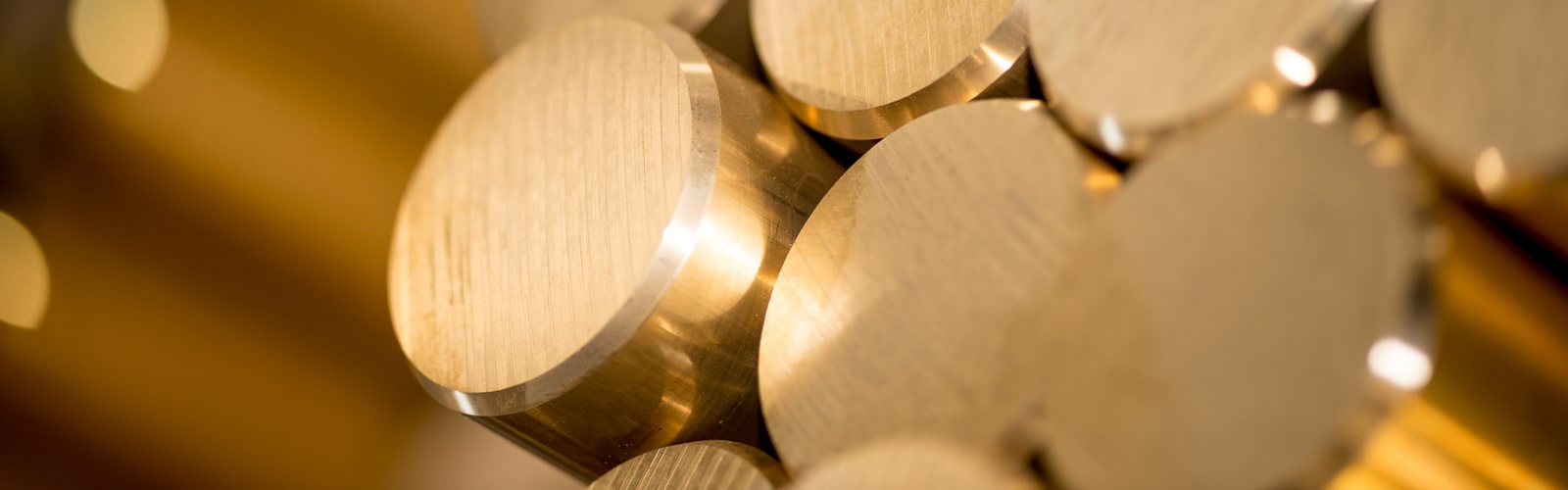
Polished brass and brushed brass are two of the most common brass finishes used in interiors. Understanding the difference helps you choose the right finish for real projects. Polished brass has a bright, reflective surface, while brushed brass has a fine texture that softens the sheen. These differences affect how each finish looks, how it handles day-to-day use and how it ages.
Brass is a copper-zinc alloy that can be manufactured to offer high strength and corrosion resistance, which is one reason it is widely used in architectural and decorative metalwork across the UK, making it one of the most versatile decorative metals for interiors and joinery. As construction output and home improvement activity remain strong, especially in repair and maintenance work, long-lasting materials continue to play an important role in residential and commercial projects.
This guide explains how polished and brushed brass are created, how they differ in everyday use and where antique brass fits in, so you can match the finish to your design and environment.
How Brass Finishes Are Created & What That Means for Your Project
Brass can be finished in various ways to adjust its appearance and maintenance requirements. For flat surfaces, polished brass is produced by mechanically buffing the metal until the surface is smooth and bright. The result is a reflective, warm tone that works well where profiles or edges need to stand out. Brushed brass is created by sanding the surface in one direction with an abrasive. This produces fine lines that reduce reflections and give the metal a soft, even look.
For custom projects such as splashbacks, panels or trim pieces, it is common to start with brass sheet and then apply a polished or brushed finish. We supply brass sheets cut to size online, which can then be finished to suit the desired look and sheen.
Beyond polishing and brushing, different surface treatments can be used to protect or further alter brass finishes. These include clear lacquers to stabilise the sheen and chemical patination to create a controlled antique finish. Understanding which treatment has been applied helps you predict how the brass will age and how much maintenance it will need.
Polished Brass vs. Brushed Brass: Key Differences in Practice
Polished brass and brushed brass are two brass finishes that share the same base metal but give very different results once installed. When comparing polished and brushed brass, most people focus on their appearance, maintenance needs, and design effectiveness.
- Polished brass has a smooth, reflective surface that catches the light and suits traditional or statement details
- Brushed brass has a soft, satin-like texture with a visible grain that works well in contemporary or relaxed interiors
- Polished brass can show fingerprints and water marks more readily, especially if unlacquered, so it benefits from regular cleaning
- Brushed brass hides minor marks better, making it practical for high-contact areas such as handles, switches and railings
- Brushed brass often supports calmer metal aesthetics, adding warmth without harsh reflections from lighting
For bright, decorative metals such as period door furniture, trims, or mouldings, many fabricators start with flat material, such as brass plate, before applying a polished finish.
Where a softer look and lower maintenance are priorities, brushed brass is often chosen for kitchen and bathroom hardware, sockets and joinery details, with slim brackets or edging made from brass flat bar before brushing.
Where Antique Brass & Other Brass Finishes Work Best
Antique brass is designed to replicate the patina that forms naturally on brass over time. The finish is darker, with softer highlights and a muted surface that introduces character without the brightness of polished brass. It is often used in boutique interiors, period properties and furniture pieces where a lived-in look supports the wider design.
An antique finish is less suited to highly contemporary schemes where clean, uniform brass finishes are a priority. Still, it can be very effective when mixed with brushed brass on secondary elements such as internal moulding. Using antique brass on feature pieces and brushed brass on high-contact items gives a layered look without compromising day-to-day practicality.
Satin brass and lightly brushed variants offer further options when a designer wants a reduced sheen without a full antique appearance. These variations help coordinate hardware across different lighting conditions and materials, especially in mixed-style interiors.
How Surface Treatments Change Durability & Maintenance
Surface treatments play a major role in how long brass finishes stay looking their best. Polished, brushed, and antique brass can be supplied lacquered or unlacquered, and each option changes how the surface responds to moisture, handling and cleaning over time.
- Lacquered brass has a clear protective layer that slows oxidation and helps the finish stay brighter for longer
- Unlacquered brass ages more visibly and develops a patina that can deepen in tone with regular use
- Brushed brass tends to disguise small scratches and marks, which makes it suitable for high-contact areas such as handles and touch points
- Polished brass can need more frequent cleaning to retain its clarity, especially in kitchens or bathrooms, where humidity levels change
- Brass equal angle offers a stable base for structural trims and frames that will later receive a chosen surface treatment
When planning durability, it helps to confirm which surface treatments have already been applied and how the brass finishes are intended to be maintained. Some decorative metals are supplied pre-lacquered and need only light cleaning. In contrast, others are designed to be polished occasionally to develop a controlled, natural patina that suits the space.
Choosing the Right Brass Finish for Your Project
When deciding what the difference between polished brass and brushed brass is in practical terms, focus on where the metal will sit and how it will be used. Polished brass suits more minor, high-impact details where a premium look is important. Brushed brass is a cost-effective choice for longer runs of hardware or trims that need simple, consistent upkeep. Antique brass supports spaces where character and depth matter, especially in restoration work or vintage-inspired schemes.
Confirming which items must match exactly and which can vary slightly in tone reduces the risk of mismatched brass finishes on site. Click Metal supplies brass sheet, bar and moulding cut to your exact measurements, including brass round bar and brass square bar for components that will be machined or shaped before finishing.
Call 01794 526090 or enquire about sourcing the right brass format and thickness for your design.
Recent Posts


